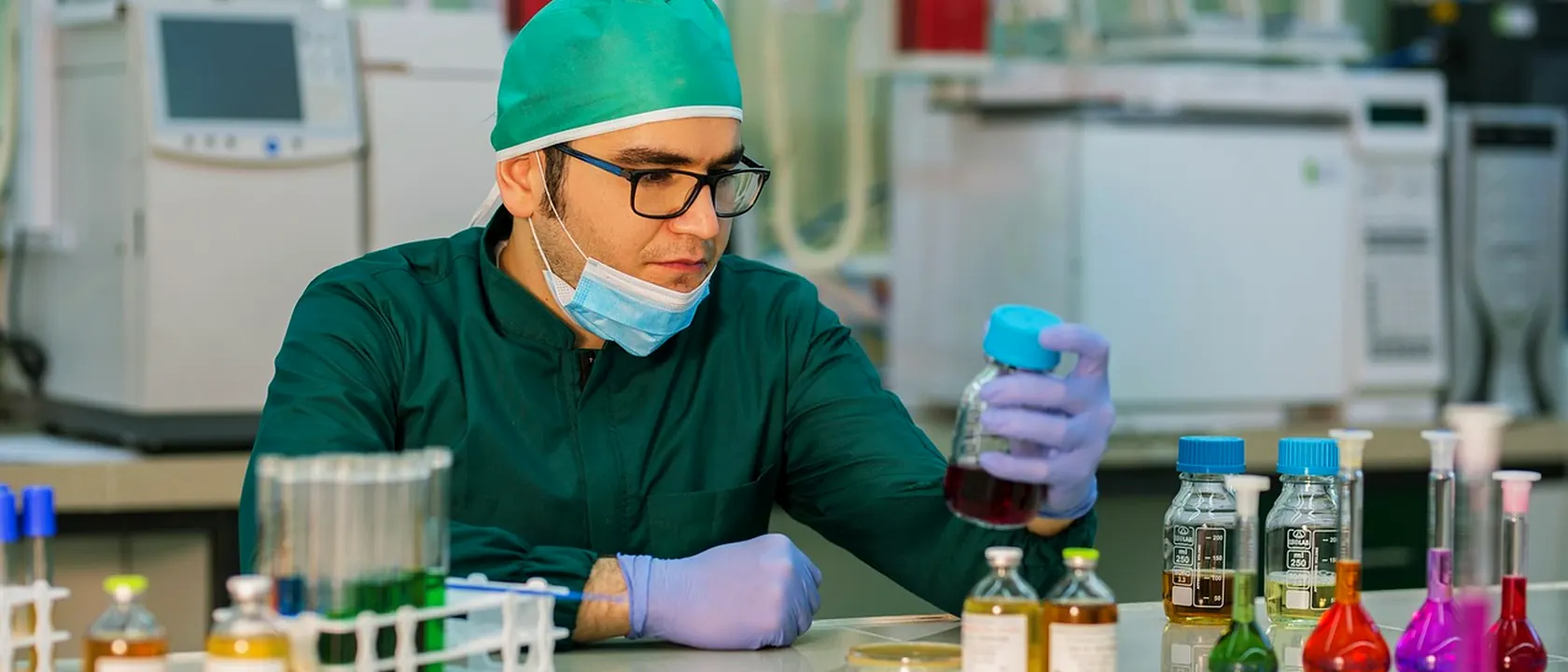
moeinperfectman · Pixabay Content License
Microbiologists
Investigate the growth, structure, development, and other characteristics of microscopic organisms, such as bacteria, algae, or fungi. Includes medical microbiologists who…
What the job really is
Investigate the growth, structure, development, and other characteristics of microscopic organisms, such as bacteria, algae, or fungi. Includes medical microbiologists who study the relationship between organisms and disease or the effects of antibiotics on microorganisms.
At a glance
- Sector: Life, Physical & Social Science
- O*NET-SOC code:
19-1022 - O*NET job zone: 4 — considerable preparation
- Work sample tasks on file: 12
- Tools and technologies listed: 12
What you actually do
Work sample tasks recorded for this occupation:
- Isolate and maintain cultures of bacteria or other microorganisms in prescribed or developed media, controlling moisture, aeration, temperature, and nutrition.
- Provide laboratory services for health departments, community environmental health programs, and physicians needing information for diagnosis and treatment.
- Monitor and perform tests on water, food, and the environment to detect harmful microorganisms or to obtain information about sources of pollution, contamination, or infection.
- Examine physiological, morphological, and cultural characteristics, using microscope, to identify and classify microorganisms in human, water, and food specimens.
- Supervise biological technologists and technicians and other scientists.
- Use a variety of specialized equipment, such as electron microscopes, gas and high-pressure liquid chromatographs, electrophoresis units, thermocyclers, fluorescence-activated cell sorters, and phosphorimagers.
- Investigate the relationship between organisms and disease, including the control of epidemics and the effects of antibiotics on microorganisms.
- Prepare technical reports and recommendations, based upon research outcomes.
- Observe action of microorganisms upon living tissues of plants, higher animals, and other microorganisms, and on dead organic matter.
- Study growth, structure, development, and general characteristics of bacteria and other microorganisms to understand their relationship to human, plant, and animal health.
- Study the structure and function of human, animal, and plant tissues, cells, pathogens, and toxins.
- Develop new products and procedures for sterilization, food and pharmaceutical supply preservation, or microbial contamination detection.
Tools and technology
Microsoft Access, Microsoft Excel, Microsoft Office software, Microsoft Outlook, Microsoft PowerPoint, Microsoft Windows, Microsoft Word, SAP software, 8-channel electronic pipettes, Alcohol lamps, Anaerobic growth chambers, Analytical balances
What employers expect you to already be comfortable with.
Where this job leads
Related occupations — the usual moves up and sideways:
- Biochemists and Biophysicists
- Biological Technicians
- Medical Scientists, Except Epidemiologists
- Histotechnologists
- Geneticists
- Chemists
- Molecular and Cellular Biologists
- Biologists
Getting in
O*NET assigns this occupation job zone 4 (considerable preparation). The related occupations above are the realistic routes in and out.
Find openings
Browse the verified job sources directory, or explore more occupations.
Check this against the source
O*NET OnLine: Microbiologists — the authoritative public-domain profile this page is derived from, including the full task list, reported skills and the wage estimates for your region.
Derived and rewritten from the public-domain O*NET database (U.S. Department of Labor / Employment and Training Administration). Figures are observations, not promises — always confirm salary, licensing and visa requirements with the employer and the relevant authority.
Tagged with
More Occupations
View all
Accountants and Auditors
Examine, analyze, and interpret accounting records to prepare financial statements, give advice, or audit and evaluate statements prepared by others. Install or advise on…

Actors
Play parts in stage, television, radio, video, or film productions, or other settings for entertainment, information, or instruction. Interpret serious or comic role by…

Actuaries
Analyze statistical data, such as mortality, accident, sickness, disability, and retirement rates and construct probability tables to forecast risk and liability for payment…